The Unveiling of Hidden Histories: Exploring the Zeit Nsdap Mitgliederkartei
For decades, the shadows of the past have cast long questions over countless German families. What were our ancestors' roles during the Third Reich? Were they collaborators, bystanders, or resistors? For many, the answers remained elusive, shrouded in silence, rumor, or forgotten memories. Today, thanks to the remarkable survival and digitization of the Zeit Nsdap Mitgliederkartei, a powerful tool has emerged to help uncover these deeply personal yet profoundly historical truths. This extensive archive, a membership database of the National Socialist German Workers' Party (NSDAP), offers an unparalleled window into the lives of millions, bringing clarity to a chapter of history that demands careful examination.
From Destruction to Discovery: The Perilous Journey of the NSDAP Membership Database
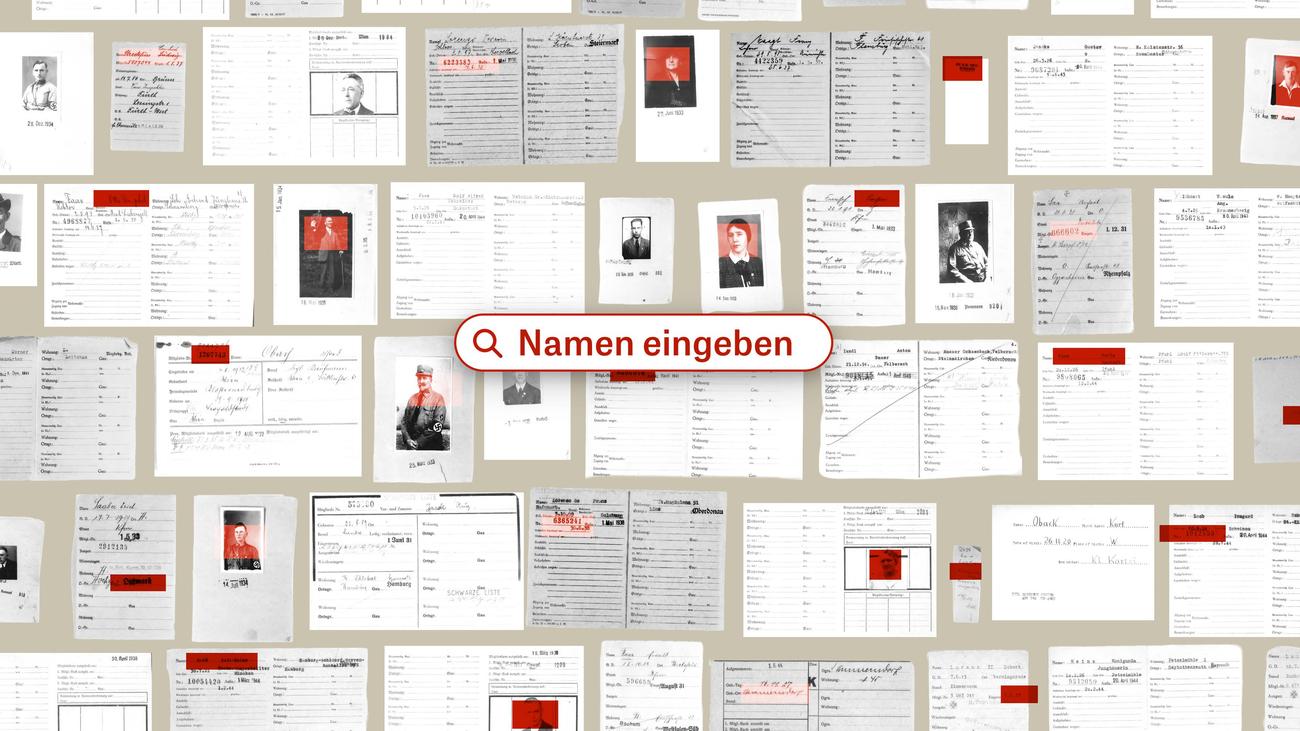
The very existence of the Zeit Nsdap Mitgliederkartei is a testament to extraordinary circumstances and the bravery of a single individual. In the chaotic final days of World War II, April 1945, as Hitler’s regime crumbled, a desperate attempt was made to erase the paper trail of its vast membership. From the infamous Brown House in Munich, the NSDAP's central headquarters, truckloads of documents were dispatched for destruction. Among them were tons of paper, comprising the party's comprehensive membership card index – the *Mitgliederkartei*. These millions of individual cards, meticulously organized in two parallel systems (one alphabetical, one geographical by *Gau*), were hastily thrown together, destined for oblivion.
It was at a paper mill in Freimann, a district of Munich, that history took an unexpected turn. Müller Hanns Huber, the mill owner, recognized the immense historical value of the documents brought to him for pulping. Defying immense pressure and personal risk, Huber halted the destruction, saving an irreplaceable historical treasure from being lost forever. His courageous act preserved a critical component of German history.
In the autumn of 1945, American forces, understanding the significance of the salvaged records, meticulously recovered them. By early 1946, these invaluable documents were transferred to the newly established Berlin Document Center (BDC). This center became the primary repository for personal files of the NSDAP and its various organizations, playing a crucial role in post-war denazification efforts and, eventually, in historical research. The remarkable story of their preservation, From Destruction to Discovery: The Remarkable Story of the NSDAP Files, underscores the enduring human desire to preserve truth, even in the face of tyranny.
A Glimpse into the Numbers: Scale and Survival of the Zeit Nsdap Mitgliederkartei
The sheer scale of NSDAP membership during its reign is staggering. Between 1925 and 1945, an estimated 10.2 million Germans joined the NSDAP. Each of these individuals was recorded in the *Mitgliederkartei*, maintained in the two aforementioned formats: the Central Card Index and the Gau Card Index. While Hanns Huber's intervention saved the bulk of the records, complete preservation was not possible.
Party researcher Jürgen Falter, who extensively analyzed the membership database for his seminal work, *Hitlers Parteigenossen* (Hitler's Party Comrades), provides critical estimates on the survival rates. He calculates that approximately 44 percent of the Central Card Index and a more substantial 77 percent of the Gau Card Index were preserved. According to the analysis conducted by DIE ZEIT, the Central Index still contains around 4.5 million names, while the Gau Index holds an impressive 8.2 million. When combined, Falter estimates that an astounding 90 percent of all former NSDAP members can still be traced through these archives. These numbers highlight the party's pervasive reach into German society and the unparalleled potential of the Zeit Nsdap Mitgliederkartei as a research tool.
Beyond the Statistics: Personal Journeys of Discovery
The impact of the Zeit Nsdap Mitgliederkartei extends far beyond academic statistics; it delves into the very fabric of family history. For generations born after the war, the period of the Third Reich often remains a black box, filled with whispered tales, proud myths, or, more frequently, a profound silence. Many families simply do not know what their grandparents or great-grandparents did, or failed to do, during those dark years. This database offers a crucial opportunity to bridge that informational gap.
The motivation for delving into these records is deeply personal. For some, it's about confirming long-held family stories, like a grandfather rumored to be a "man like a tree," a high-ranking member of the SS. For others, it's about filling in the blanks of ancestors about whom little was ever said. The act of typing a name into the database and finding a record can be profoundly moving. Discovering details like a membership number, a joining date (e.g., April 1, 1933, a significant date shortly after Hitler's rise to power), an address, profession, or even a photograph showing a family member wearing a party pin, brings history to life in an intensely personal way.
It's important to approach these discoveries not with an intent to condemn ancestors long passed, but with a desire for understanding. Over ten million Germans joined the NSDAP, and while individual motivations varied, joining meant an active affirmation of the NS state's ideology and its murderous regime. The Zeit Nsdap Mitgliederkartei allows descendants to confront these truths, integrating them into their family narrative and the broader understanding of collective German history.
Navigating the Zeit Nsdap Mitgliederkartei: Tips for Researchers
For those embarking on this journey of discovery, the Zeit Nsdap Mitgliederkartei is an invaluable resource. Here are some practical tips and insights:
- Start with Known Information: Begin with as much detail as you have – full name, birth date, and place of residence are crucial for effective searches.
- Understand the Scope: The database primarily contains membership records. While it confirms affiliation, it doesn't automatically detail specific roles, actions, or levels of involvement beyond basic party membership.
- Interpreting the Records:
- Membership Number: Lower numbers often indicate earlier entry into the party, which can be significant.
- Joining Date: An entry date before 1933 or very early in 1933 might suggest strong ideological alignment, whereas later entries (especially after 1937, when some pressure to join intensified) might have different contexts.
- Profession and Address: These details can provide context about your ancestor's life and social standing.
- Photographs: If available, a photo with a membership pin can be a powerful visual confirmation.
- Cross-Reference and Expand: The Zeit Nsdap Mitgliederkartei is an excellent starting point, but it's rarely the complete picture. Consider cross-referencing findings with other historical archives, such as military records (Wehrmacht), denazification files, local municipal archives, and church records. This broader research can offer a more nuanced understanding of an individual's life and choices. (For more detailed guidance, explore Discovering Family Ties: How to Research the NSDAP Membership Files.)
- Prepare for Difficult Truths: The emotional impact of discovering family ties to the NSDAP can be profound. It's essential to approach this research with an open mind, acknowledging that historical context is complex, but also that active membership carried significant implications.
Conclusion: Learning from the Past, Shaping the Future
The Zeit Nsdap Mitgliederkartei stands as a monumental achievement in historical preservation and accessibility. It allows millions of descendants to connect with their family past, confronting silence and replacing speculation with documented fact. By uncovering these individual German histories, the database contributes significantly to our collective understanding of a pivotal and often painful period. It serves as a stark reminder of the reach of totalitarianism and the importance of remembering, not to judge the dead, but to inform the living and ensure that the lessons of history are never forgotten.